
Published on 05/12/2025
President Yoweri Kaguta Museveni has announced plans to establish a chocolate factory in Bundibugyo District, reaffirming his commitment to expanding value addition and creating jobs in Uganda’s cocoa-rich region.
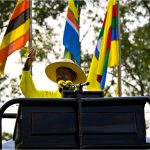
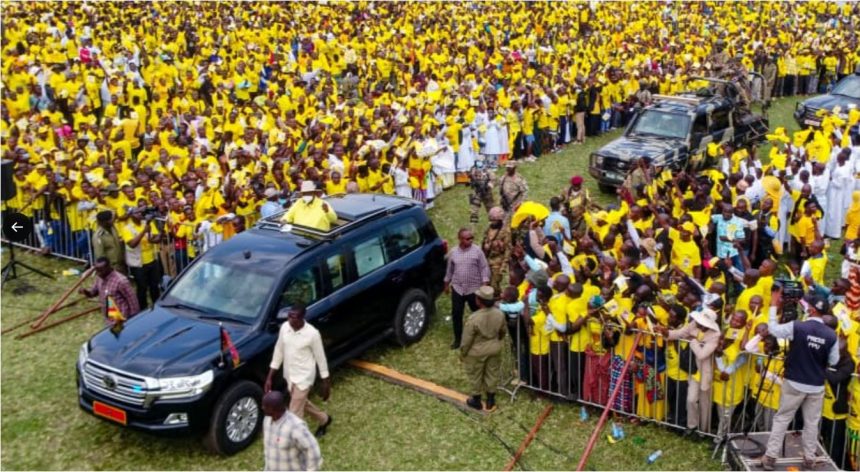
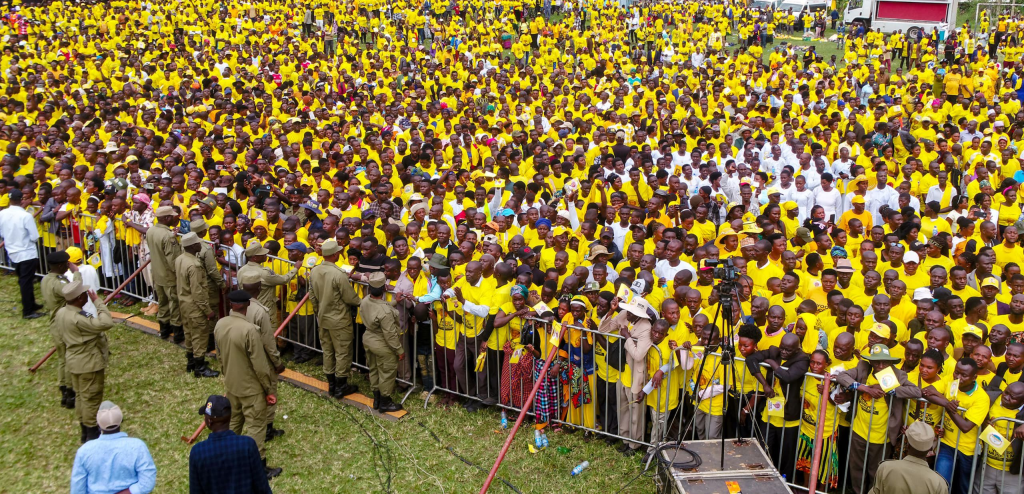
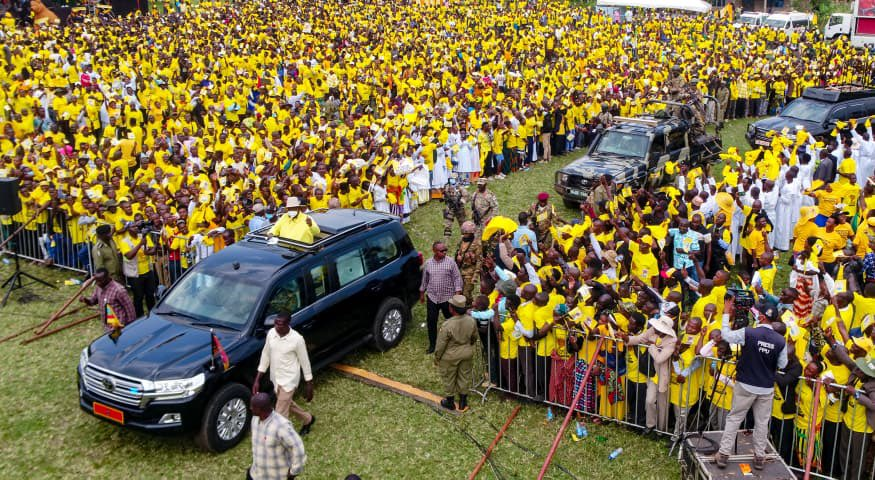
Addressing supporters during his campaign tour, the NRM Presidential Flagbearer said the venture will harness the district’s long-standing agricultural strengths and boost household incomes.

Read Also
First Lady Calls For Continued NRM Support As Museveni Unveils New Development Projects In Bushenyi – National News Express
Museveni recalled his early interactions with Bundibugyo, noting that even during the 1997 ADF insurgency, local families were already cultivating cocoa, coffee, and palm oil. Despite poor roads and insecurity at the time, many households were generating significant income, proving that the district had strong potential for agro-industrial investment.
Building on that heritage, the President said it was time for Bundibugyo to move from raw cocoa exports to processing chocolate locally.
“I am going to set up a chocolate factory here in Bundibugyo,” he said. He revealed that earlier attempts to convince American investors to establish a factory failed, with some claiming Uganda lacked the necessary inputs such as milk and sugar. “I showed them these products were in abundance, and realized they were just playing games,” Museveni added. He has since identified a committed investor ready to take on the project.
The President used the moment to highlight the NRM’s broader contributions: peace, development, wealth creation, and jobs. He reminded residents that Bundibugyo’s proximity to the DRC makes them witnesses to the consequences of instability. Uganda, he said, once resembled the turbulent Congo, but the NRM transformed it by restoring peace—an essential foundation for both development and investment.
Museveni outlined key development achievements in the district. Bundibugyo now has 107 government primary schools and 12 secondary schools, reflecting the government’s policy of ensuring a primary school in every parish and a secondary school in each sub-county. In health, he promised to renovate the government facility and encouraged residents to embrace preventive health practices. He noted that immunization campaigns have eradicated diseases like polio and measles, contributing to the district’s population growth from about 50,000 to nearly 300,000 over the years.
However, the President expressed disappointment over reports of drug theft in health facilities. He challenged residents to hold leaders accountable and reject tribal or religious voting patterns that undermine service delivery. “Vote leaders who protect public interests,” he said. “If they steal your medicines, question them.”

He also revisited the history of Uganda’s road infrastructure, narrating how the government initially resorted to barter trade with Yugoslavia to build the Kampala–Mubende road, later extended to Fort Portal, Bundibugyo, and Lamia. He assured residents that the worn-out Fort Portal–Bundibugyo section will soon be repaired, despite competing demands from leaders for multiple simultaneous projects.
Museveni emphasized the importance of wealth creation in households, encouraging families to adopt the four-acre model to cultivate both food and commercial crops. He said while wealth belongs to individuals, job creation stems from their economic activity—hence the importance of agro-industrial projects such as the planned chocolate factory.
The President said the upcoming factory will create jobs, expand markets, and significantly transform Bundibugyo’s economy. He urged residents to remain peaceful, united, and focused on productivity as government moves to support local industries and add value to Uganda’s agricultural resources.