
Published on 15/11/2025
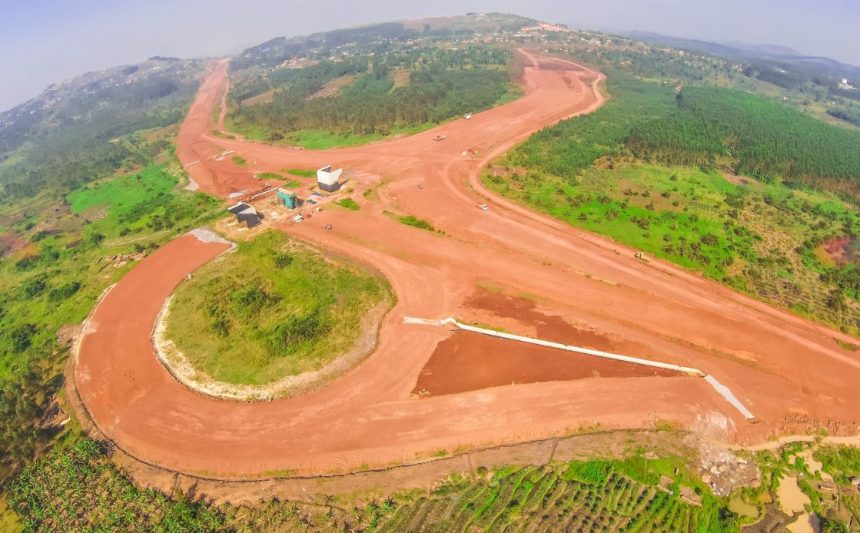
Parliamentarians have raised concerns over the US$14 million (UGX 48.99 billion) reportedly earmarked for constructing each square kilometre of the Busega–Mpigi Expressway, an amount they say far exceeds the average African road construction cost of US$3 million (UGX 10.5 billion) per kilometre.
The concerns were first raised on 28 October 2025 by Butambala County MP Muwanga Kivumbi during Parliament’s consideration of the National Economy Committee report on the Government’s proposal to borrow Euro188.18 million from the African Development Bank (ADB) and Euro28.31 million (UGX 114.63 billion) from the African Development Fund (ADF). The loans are intended as additional financing for the expressway, whose total cost is now projected at UGX 876.5 billion.

Muwanga said the figures defied logic. “When you study the standard unit cost of constructing a bitumen grade-one road across Africa, it hovers around US$2–3 million. But here we are being told US$14 million, way above what ordinarily passes. What justification does Government have? This would be more expensive than the Entebbe Expressway. At this rate, how safe are we that this isn’t a ghost project that will drain more and more money?”

Works and Transport Minister Gen. Katumba Wamala defended the revised costs, citing design changes, auxiliary roads connecting to Mityana Road and Kasanzi, and the construction of multiple bridges.
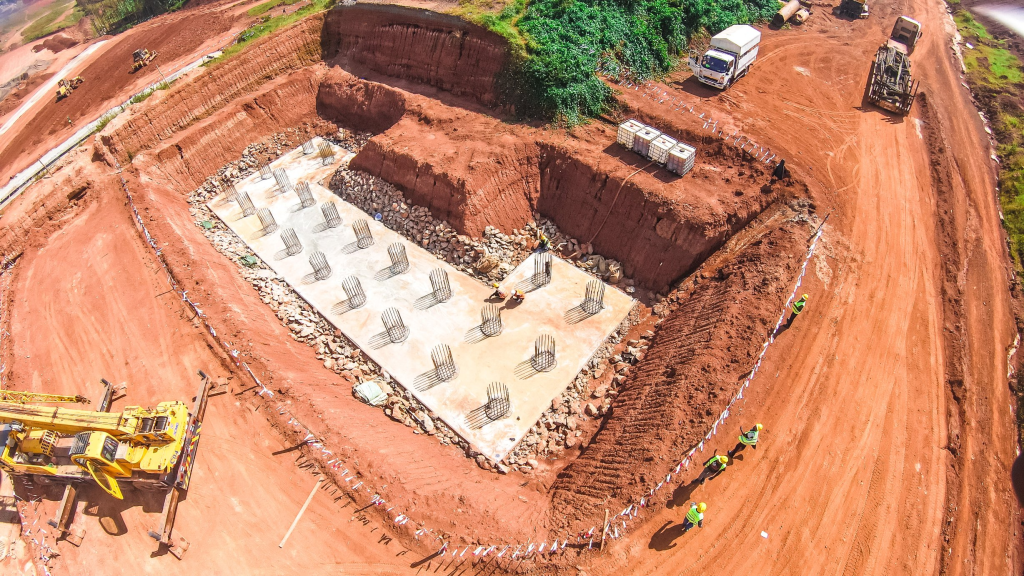
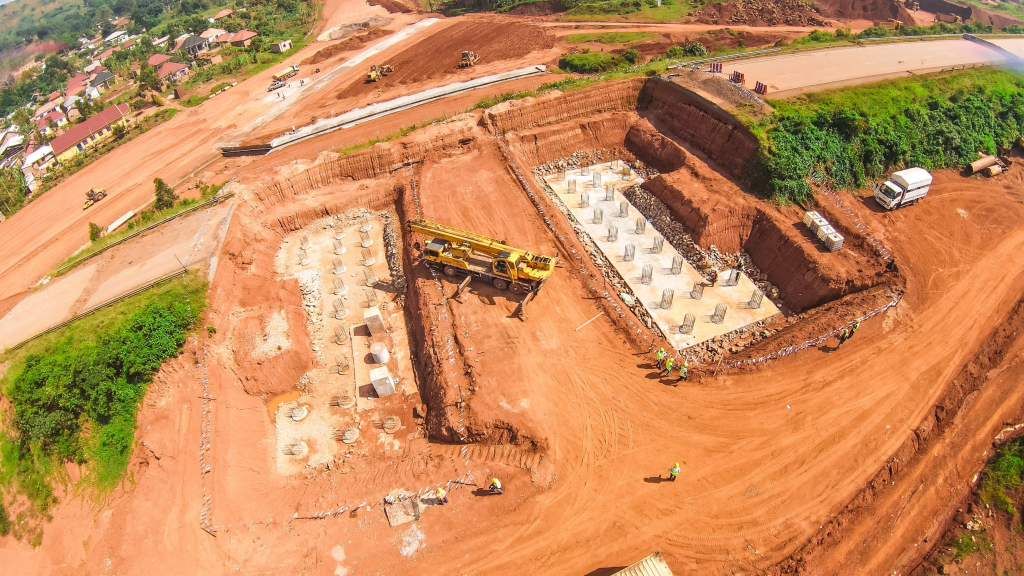
“These auxiliary roads added kilometres to the project. The realignment also introduced many bridges, requiring extensive earthworks. Filling swamps is extremely costly due to the volume of hardcore needed,” Katumba said.
As Leader of the Opposition during the sitting, Muwanga also questioned the jump in overall project cost, from Euro174.73 million (UGX 706.9 billion) initially approved in 2016 to Euro423.08 million (UGX 1.71 trillion) by March 2023, including additional land compensation.

“Who plans to spend UGX 527 billion but ends up spending UGX 1.2 trillion? What kind of planning went into this?” he asked, adding that the project’s length increased from 23km to 27km, further distorting the per-kilometre cost.
MPs also demanded assurances on project resumption after revelations that the contractor—China Civil Engineering Construction Corporation in a joint venture with China Railway 196 Bureau Group, had abandoned the site due to financing gaps.
“The project is abandoned; nothing is going on. Yet we are approving more borrowing at abnormal unit costs,” Muwanga warned.
In a minority report, MPs Hassan Kirumira (Katikamu South) and Charles Tabandeke (Bbale County) advised Parliament against increasing Uganda’s public debt, already above 50% of GDP, by approving more loans for a project repeatedly delayed, now with a revised completion date of 2027.
“Borrowing more raises commitment fees and interest, diverting resources from essential services like healthcare,” they argued, citing similar delays in the Kampala–Jinja Expressway. Katumba distanced himself from the delays, blaming the former UNRA management. “When you inherit, you take assets and liabilities. This was one of the liabilities I inherited,” he said.
In a rare shift, Kira Municipality MP Ibrahim Ssemujju Nganda supported the additional borrowing and criticised the push for re-evaluating land compensation, arguing that MPs themselves often trigger unrealistic demands from communities.
“I don’t want failures in other projects to delay this one. If people exaggerated, we punish them. But why spend UGX 167 billion on land compensation for a road that will benefit the same community? The money for compensation is almost what you need to construct the road,” he said.