
Published on 12/11/2025
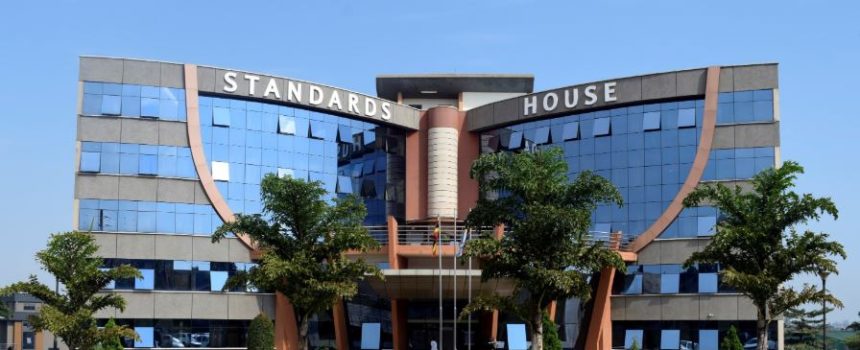
Parliament has ordered a comprehensive investigation into the Uganda National Bureau of Standards (UNBS) over allegations of governance lapses and operational inefficiencies that lawmakers say are stifling small and medium-sized enterprises (SMEs) and undermining consumer protection.
The directive, issued by Deputy Speaker Thomas Tayebwa, follows growing complaints from manufacturers and traders about bureaucratic delays in product certification, the slow renewal of expired permits, and the rising cost of compliance. Tayebwa has tasked the Committee on Trade, Tourism and Industry, chaired by Sylvia Nayebare, to conduct a thorough probe and report back within two weeks.

“I have received numerous complaints from small-scale industrialists about persistent governance and leadership gaps at UNBS, especially the long delays and backlogs in certification,” Tayebwa told Parliament during the October 28, 2025 plenary sitting. “You are hunting down people selling products without certification, but you are not helping those applying for it. It’s the small industries and SMEs that are suffering the most, not the big boys.”
Tayebwa issued the directive shortly after announcing the reinstatement of UNBS Executive Director Eng. James Kasigwa, who had been suspended earlier over allegations of corruption, abuse of office, and insubordination. His reinstatement came amid public outcry and concerns raised in an earlier plenary session by Bwamba County MP Richard Gafabusa, who urged Parliament to halt the suspension until investigations were completed.
Despite Kasigwa’s return, Tayebwa said UNBS continues to grapple with deep-rooted governance and operational problems. “Many people, especially small industries, have complained about the historical leadership and governance issues at UNBS that have persisted,” he noted, adding that the Bureau’s inefficiencies are discouraging business growth and hurting Uganda’s competitiveness.
The Deputy Speaker cited chronic delays in certification, inefficiencies in renewing expired licenses, and challenges in the digital conformity stamp system as examples of UNBS’s failures. He also pointed to problems in the pre-export verification of conformity (PIVOC) for used motor vehicles and lapses in local metrological services such as weighing scales and LPG gas cylinder testing.

He expressed concern that the Ministry of Finance had stopped allowing UNBS to spend at source, forcing certification fees to be remitted into the Consolidated Fund, which delays operations. “You pay for certification, the money goes to the Consolidated Fund and you wait until Finance releases it for UNBS to start processing your certificate. But you’re a trader, that’s not your problem,” Tayebwa said.
Tayebwa further questioned the fate of the Bleep App, a government-funded digital tool that cost UGX 900 million and was meant to allow consumers to report counterfeit goods directly to regulators. He wondered why, despite such investments, the Bureau “is still struggling to deliver on its mandate.”
The Deputy Speaker directed the Committee on Trade, Tourism and Industry and the Clerk to Parliament to engage all relevant stakeholders, including the Minister of Trade, the UNBS Board, and management, to identify the root causes of the persistent dysfunction. “Engage the minister, engage the board, engage the leadership at UNBS, and report back within two weeks so that as we go into the budgeting process, these chronic delays affecting the public are addressed,” Tayebwa said.
The probe order comes amid revelations of internal power struggles between the UNBS Board and the Ministry of Trade, which have reportedly destabilized the institution. The Auditor General’s 2024/2025 report also paints a grim picture of systemic failures at the Bureau, citing underfunding, staff shortages, outdated laboratories, and poor data systems that have compromised market surveillance and consumer safety.
The audit found that UNBS is performing far below its targets, conducting only a fraction of planned inspections, many of which are random rather than risk-based. It also noted that obsolete testing equipment has led to long turnaround times and compromised the accuracy of safety checks.
Additionally, the Bureau still operates under an outdated legal framework, with key amendments to the UNBS Act yet to be passed. The National Standards Council, which is supposed to guide enforcement and policy, was described as “largely ineffective.”
The report also flagged weaknesses in contracts such as the fuel marking project, where poor design and lax quality controls increased the risk of substandard fuel entering the market.
Lawmakers warned that if not urgently addressed, the inefficiencies at UNBS could derail Uganda’s industrialization drive. “UNBS’s failures are not just administrative,” Tayebwa cautioned. “They are slowing down business growth, weakening our exports, and putting consumers at risk.”